

What is a TSA lock (and why you need one)?

You’re standing at the baggage carousel. Your suitcase arrives: closed, intact, exactly as you checked it in. That’s no coincidence. That’s a TSA lock. Anyone who travels regularly knows: you’re not the only one who may open your luggage. And that’s precisely where this lock makes the difference.
What is a TSA lock?
A TSA lock is an officially approved luggage lock recognized by the Transportation Security Administration (TSA) in the United States. The system is used worldwide.
This type of lock allows customs officers to open your suitcase using a universal TSA master key without forcing or damaging it. You simply secure and open it yourself using your personal combination code.
Why is this important?
On international flights — especially to or via the United States — customs authorities have the right to inspect luggage. Without a TSA lock, such inspections often result in:
-
Forced closures
-
Broken zippers or locks
-
A suitcase that no longer seals properly
With a TSA lock, your suitcase remains intact, secure, and functional. In short: inspection without damage.
Why a TSA lock is essential in a quality suitcase
When you invest in a high-quality suitcase, you don’t want a single inspection to ruin it. A TSA lock provides:
-
Protection for your investment
-
Peace of mind on every flight
-
No unpleasant surprises upon arrival
Your suitcase stays closed to unauthorized access, yet accessible to security personnel. No break-ins. No damage.
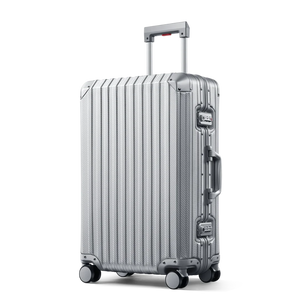
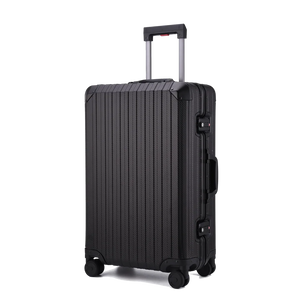
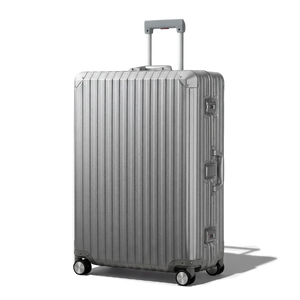
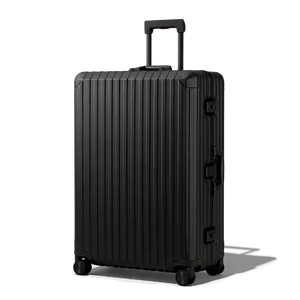
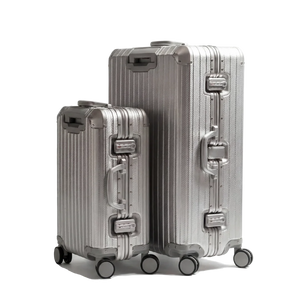
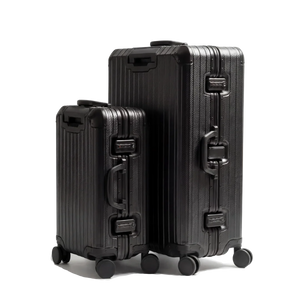
For aluminum suitcases, this is even more important. They don’t rely on zippers, but on solid frames and integrated closures. In this case, a TSA lock isn’t an accessory. It’s an essential part of the design.
It’s about effortless convenience
A well-designed TSA lock:
-
Is fully integrated into the frame
-
Opens and closes smoothly
-
Requires no external attachment
-
Maintains a sleek, premium appearance
A suitcase with a TSA lock is made for real travel, not just for appearance. It reflects thoughtful design, built for real-world travel conditions, international inspections, and long-term durability.
Set your code once, and you’re ready to travel.
Conclusion
A TSA lock isn’t a technical detail. It’s a fundamental requirement for worry-free travel. It protects your belongings, prevents unnecessary damage, and saves frustration.
Anyone who has passed through baggage inspection without issues knows: once you’ve experienced it, you wouldn’t want it any other way.


